
Are the Magnificent Seven Still Leading? 2026 Market Trends Explained
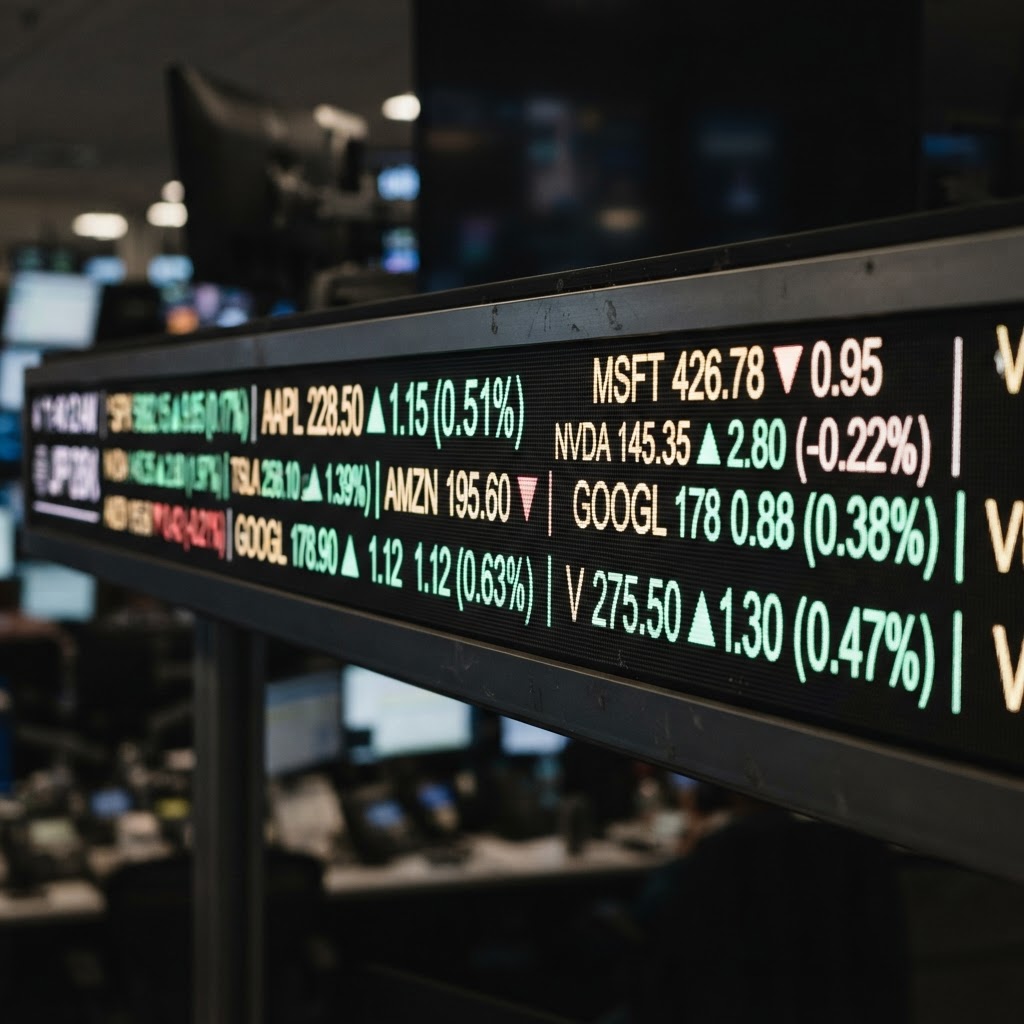
The equity landscape of July 2026 looks fundamentally different from the AI-fueled euphoria of the previous two years. Investors analyzing Magnificent Seven stock performance 2026 are discovering that the era of blind momentum in mega-cap technology is cooling. High-tech giants are lagging as institutional capital rotates out of expensive, concentrated positions toward defensive and cyclical sectors. This shift is primarily driven by mounting investor caution regarding the diminishing returns on record-breaking AI-related chip spending, signaling that the market is recalibrating its expectations for long-term monetization.
The End of Tech Hegemony: Why the Momentum Has Stalled
For years, the "Magnificent Seven"—Alphabet, Amazon, Apple, Meta, Microsoft, Nvidia, and Tesla—acted as a gravitational force, pulling the broader indices upward. However, by mid-2026, the narrative has shifted from growth-at-any-cost to "show me the earnings."
The Infrastructure Hangover
The primary catalyst for the current lagging performance is a structural pivot in corporate capital expenditure. Since 2024, data center and GPU infrastructure spending reached levels that many analysts now classify as a "Capex bubble." Investors are increasingly concerned that the massive investment in AI hardware is not translating into proportional revenue growth for enterprise clients. When the marginal dollar spent on compute fails to produce a commensurate return in operational efficiency, the market re-rates the stock downward, leading to the valuation compression we are witnessing today.
Valuation Exhaustion
Beyond operational concerns, valuation math has finally caught up with these giants. When multiples are stretched to historic highs, the room for error disappears. With the Federal Reserve holding rates in a neutral-to-restrictive stance through the first half of 2026, the cost of capital remains an obstacle for growth stocks. The "Magnificent Seven" trade became a crowded consensus; as institutional investors rebalance their portfolios, the lack of new buyers to sustain those extreme valuation premiums has left these stocks vulnerable to meaningful corrections.
Where is Market Leadership Shifting in 2026?
As the concentration risk of the Magnificent Seven becomes apparent, we are seeing a "breadth recovery." Institutional money is rotating into segments of the market that were neglected during the tech-dominant rally.
The Rise of Quality Value and Industrials
Capital is flowing into sectors that provide tangible cash flows and lower sensitivity to the AI-spending cycle. Healthcare, infrastructure, and traditional industrial manufacturing are experiencing renewed interest. These sectors benefit from the secular tailwinds of domestic re-industrialization and an aging global demographic—themes that remain resilient regardless of the latest developments in generative AI.
Small and Mid-Cap Renaissance
For the first time in three years, small-cap indices are beginning to outperform their mega-cap counterparts. As interest rate volatility stabilizes, companies with lower debt burdens and high domestic revenue exposure are becoming attractive alternatives. This suggests a healthy, broadening market where success is no longer tethered to a handful of balance sheets in Silicon Valley.
Actionable Strategy for the Current Environment
Navigating a market transition requires a departure from the "buy the dip" mentality that worked during the tech bull run.
- Re-evaluate Concentration Risk: If your portfolio remains heavily tilted toward the seven largest tech names, conduct a stress test. Ensure that your exposure is aligned with your long-term risk tolerance rather than trailing performance.
- Focus on Cash Flow Yield: In a high-rate environment, the best defense is a strong balance sheet. Look for companies with high free cash flow margins and an ability to fund growth organically, rather than those reliant on debt markets or continued, unsustainable Capex increases.
- Embrace Diversification: The rotation out of tech is a reminder that market cycles are inevitable. Broadening your exposure to international markets and value-oriented domestic sectors can help mitigate the volatility associated with sector-specific drawdowns.
Key Takeaways
- Performance Shift: The Magnificent Seven stock performance 2026 reflects a cooling of AI-driven exuberance, as investors grow skeptical of infrastructure spending returns.
- Market Rotation: Capital is actively moving away from high-multiple tech giants toward quality value, industrials, and small-cap stocks, signaling a transition to a broader, more balanced market.
- Operational Discipline: In the current cycle, profitability and free cash flow generation have replaced top-line revenue growth as the primary drivers of investor confidence.
- Strategic Outlook: Investors should move away from the concentrated "growth-at-all-costs" mindset and instead prioritize portfolio diversification to insulate against further sector-specific volatility.
Disclaimer: This article is for educational purposes only and does not constitute financial advice. Investors should consult with a qualified financial advisor before making any investment decisions.
Ready to Analyze Your Next Investment?
Get a free AI-powered fair value analysis on any stock. See intrinsic value, margin of safety, and institutional-grade risk metrics in seconds. No credit card required.
Want full access to our institutional research tools? Explore Invest Daily Pro.
You're learning portfolio theory. See how your actual portfolio measures up.
Upload your holdings and get instant diagnostics: concentration risk, correlation analysis, sector drift, factor exposures, and a rebalancing plan.
Watch: Related Videos
from Invest DailyGet This Analysis in Your Inbox Every Morning
Get our daily market briefing with institutional-grade analysis, key developments, and actionable strategy - delivered before the opening bell.
Essential Reading: Top Investor Guides
Our most comprehensive guides - start here to build a complete investing foundation.
Market Basics
Stock Market Fundamentals: How Markets Work, Reading Charts, and Technical Analysis
Portfolio Strategy
Portfolio Management Masterclass: Asset Allocation, Diversification, and Rebalancing
Retirement
The Complete Retirement Planning Guide: 401(k), IRA, Roth, and FIRE Strategy
Dividend Income
The Ultimate Guide to Dividend Investing: How to Build a Safe Income Portfolio
Valuation
The Complete Guide to Stock Valuation: How to Calculate Intrinsic Value
Financial Statements
How to Read a Balance Sheet Like a Professional Analyst
Monetary Policy
Understanding the Federal Reserve: How Monetary Policy Actually Works
Real Estate
Real Estate Investment Trusts (REITs): A Complete Investor's Guide
Options & Hedging
Options Basics: How to Use Derivatives to Protect Your Portfolio
Investor Psychology